How integrating natural processes into our buildings and cities can help improve resilience, enhance biodiversity and deliver environmental, social and economic benefits across the value chain.
October 2026
Nature-based solutions integrate natural processes into how buildings and urban spaces are designed, constructed and managed, supporting the recovery of nature while contributing to climate mitigation and adaptation, placemaking and improved human wellbeing.
Examples of nature-based solutions that can be integrated into buildings and the wider built environment include:
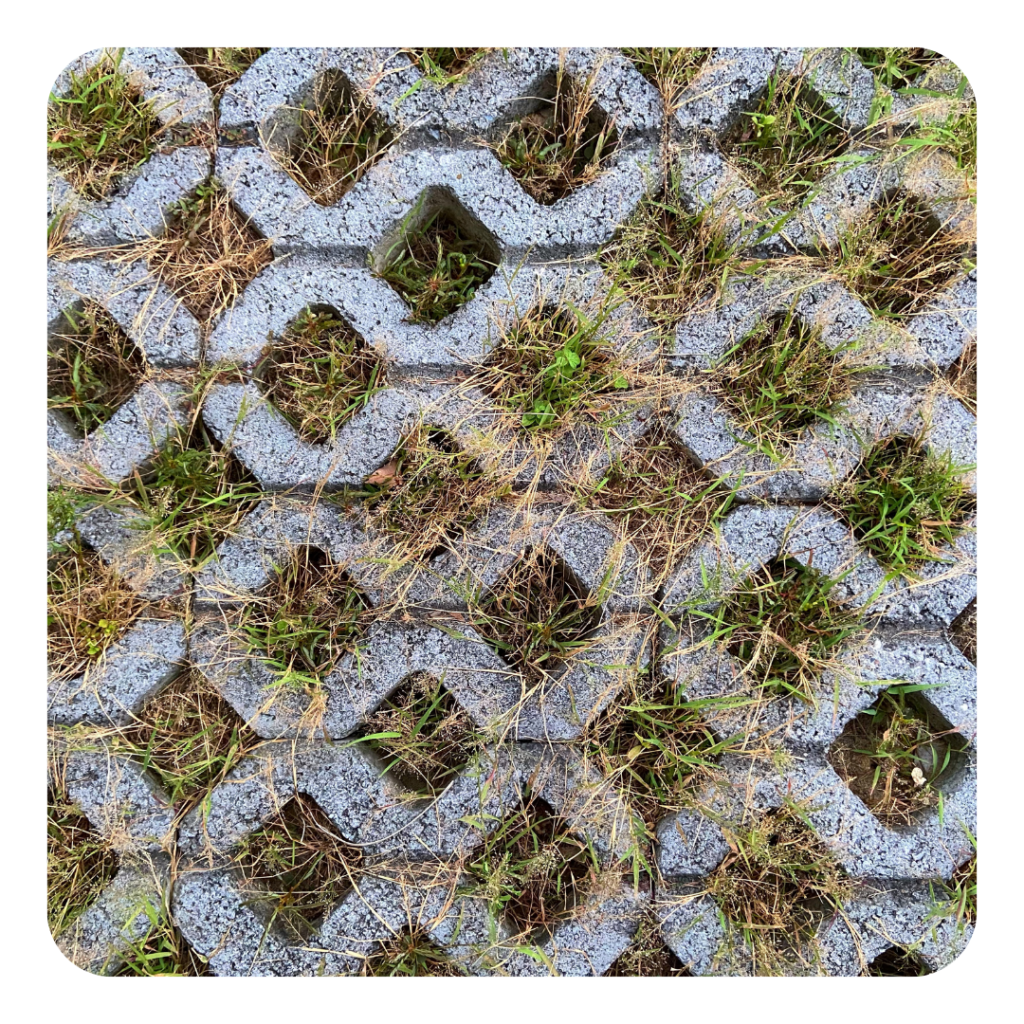
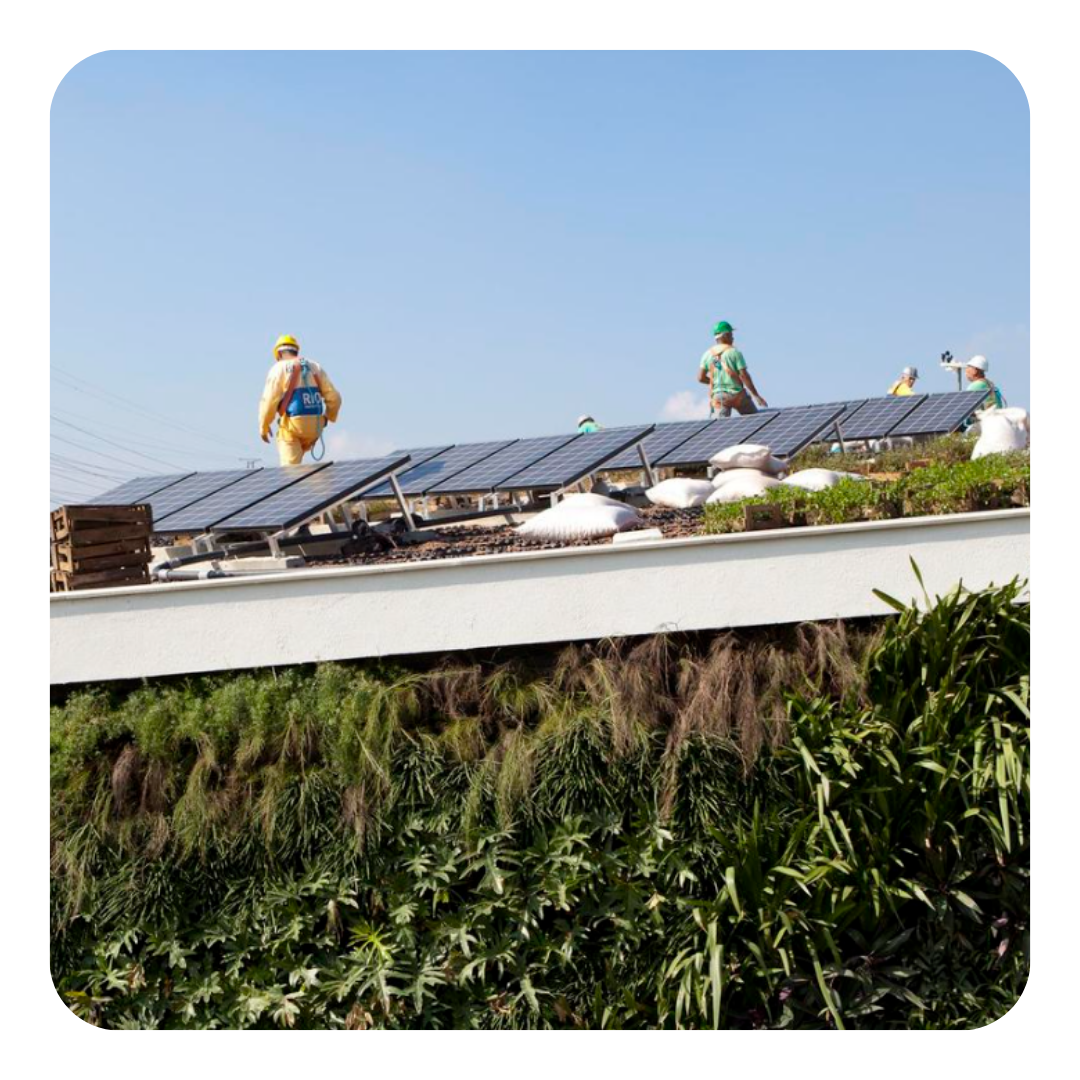
Including green roofs, living walls, bioswales and permeable pavements.
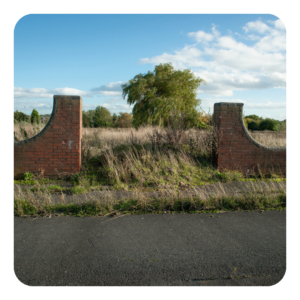
Including brownfield rewilding and green corridor connection.
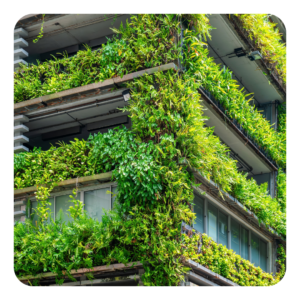
Including biophilic building envelopes, constructed wetlands and sustainable drainage systems (SuDS).
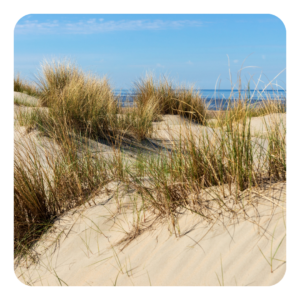
Including urban green belts, canopy networks, coastal wetlands and dune restorations.
Nature underpins the global economy in ways that remain profoundly undervalued. Over half of the world’s gross domestic product (GDP), about US$58 trillion, is moderately or highly dependent on natural systems.
In 2023 alone, an estimated US$7.3 trillion flowed into activities that directly harm it, from investments in utilities to fossil fuel subsidies.
The buildings and construction sector sits at the centre of that imbalance. It carries the highest dependency on functioning natural systems of any industry, yet, at the same time, is among the largest drivers of natural systems decline, accounting for nearly 50% of all extracted material and impacting 29% of threatened and near-threatened species globally.
Nature-based solutions enable businesses to address both physical and transition risk across the built environment value chain, as well as reducing exposure to nature-related risk, a company’s own impact on nature, or both. They can help improve resilience, enhance biodiversity and deliver meaningful environmental, social and economic benefits.
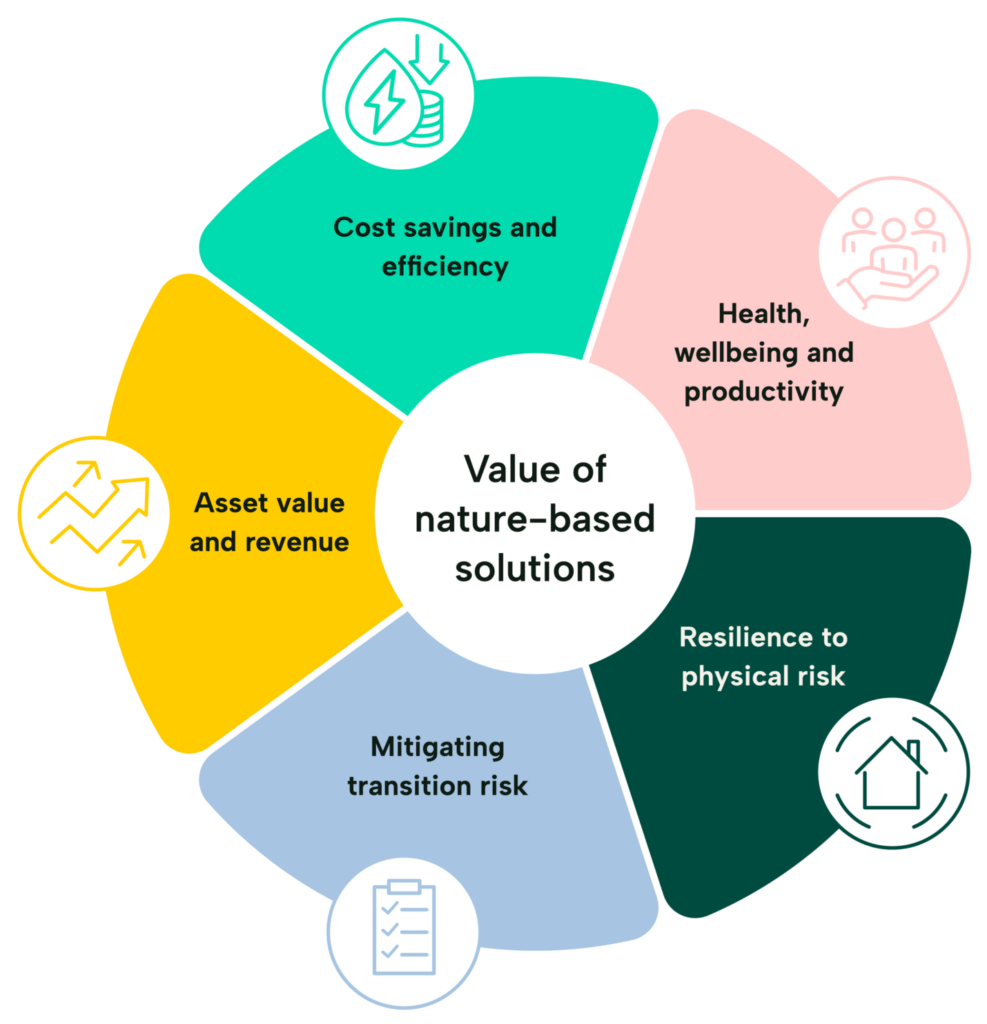





Discover more of the benefits nature-based solutions offer across the built environment value chain, from buildings themselves to the neighbourhoods and cities they sit within.
Nature-based solutions offer one of the clearest ways to help rebalance the relationship between the natural and built environments. Moving them from being niche pilots to standard practice is therefore central to protecting the long-term value of the sector itself.
We can do this by:
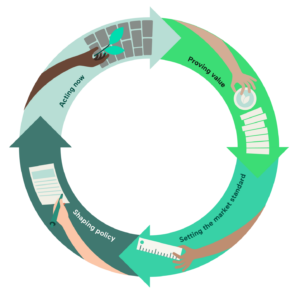
Incorporate nature-based solutions into projects, generating the evidence, capability and reputational advantage.
Increased implementation further evidences returns and risk reduction, helping to attract investment in nature-based solutions.
As nature-based solutions become more mainstream — embedded in valuation, procurement, demand and disclosure — early adopters will help shape standards.
Industry leadership can give governments confidence to regulate, incentivise and invest, rewarding those who moved first.
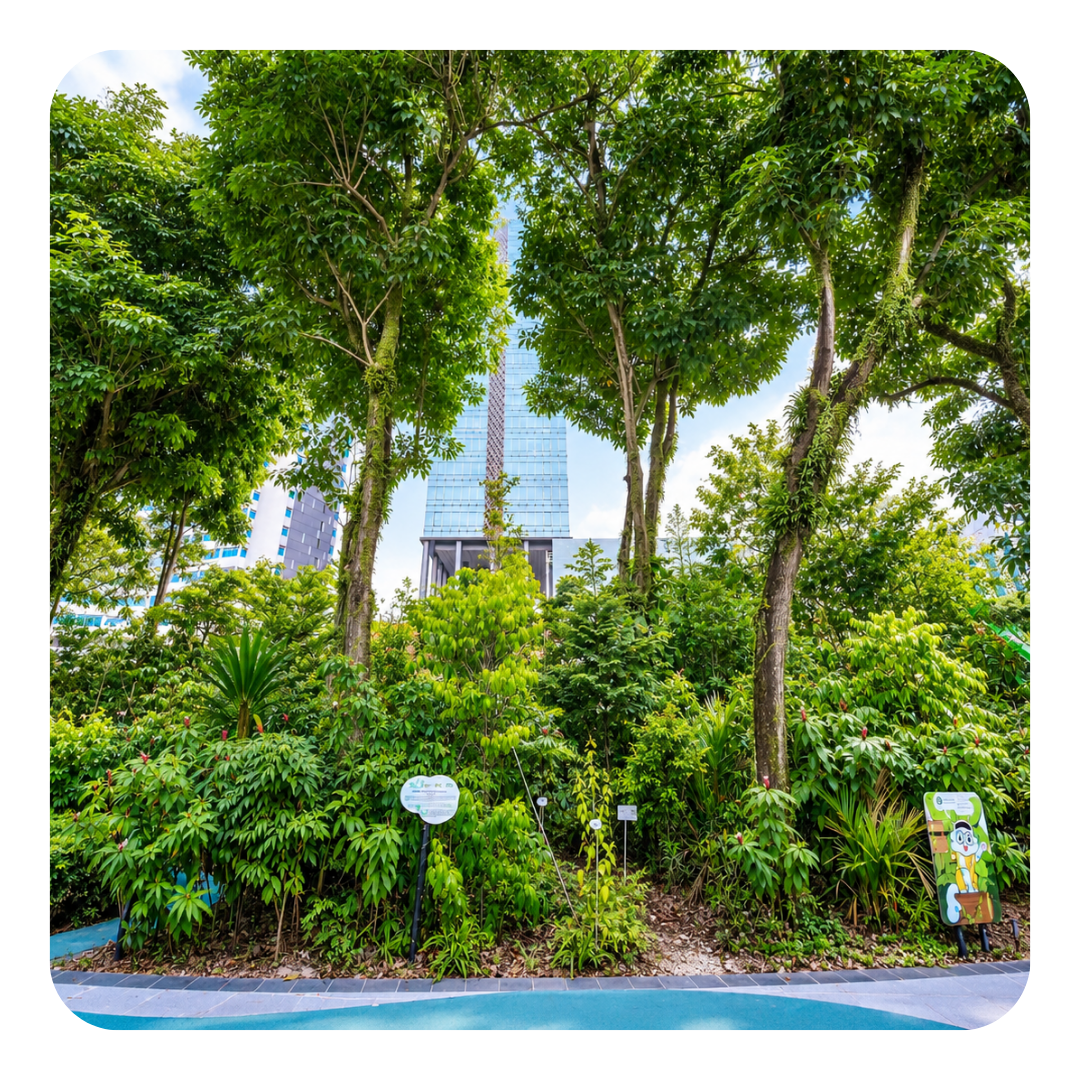
The CDL MicroForest is Singapore’s first research driven regenerative tropical microforest. Located next to the City Square Mall, its dense, multi-layered native planting restores ecological function and delivers urban cooling of up to 5°C in a high-density commercial setting.
The regenerative planting model is estimated to deliver about S$10,000 (~ US$7,750) per month in long-term maintenance cost savings, compared to conventional manicured landscaping, due to reduced irrigation, pruning and replanting needs.
Strong first year data led to the site doubling to 520m² in March 2026.
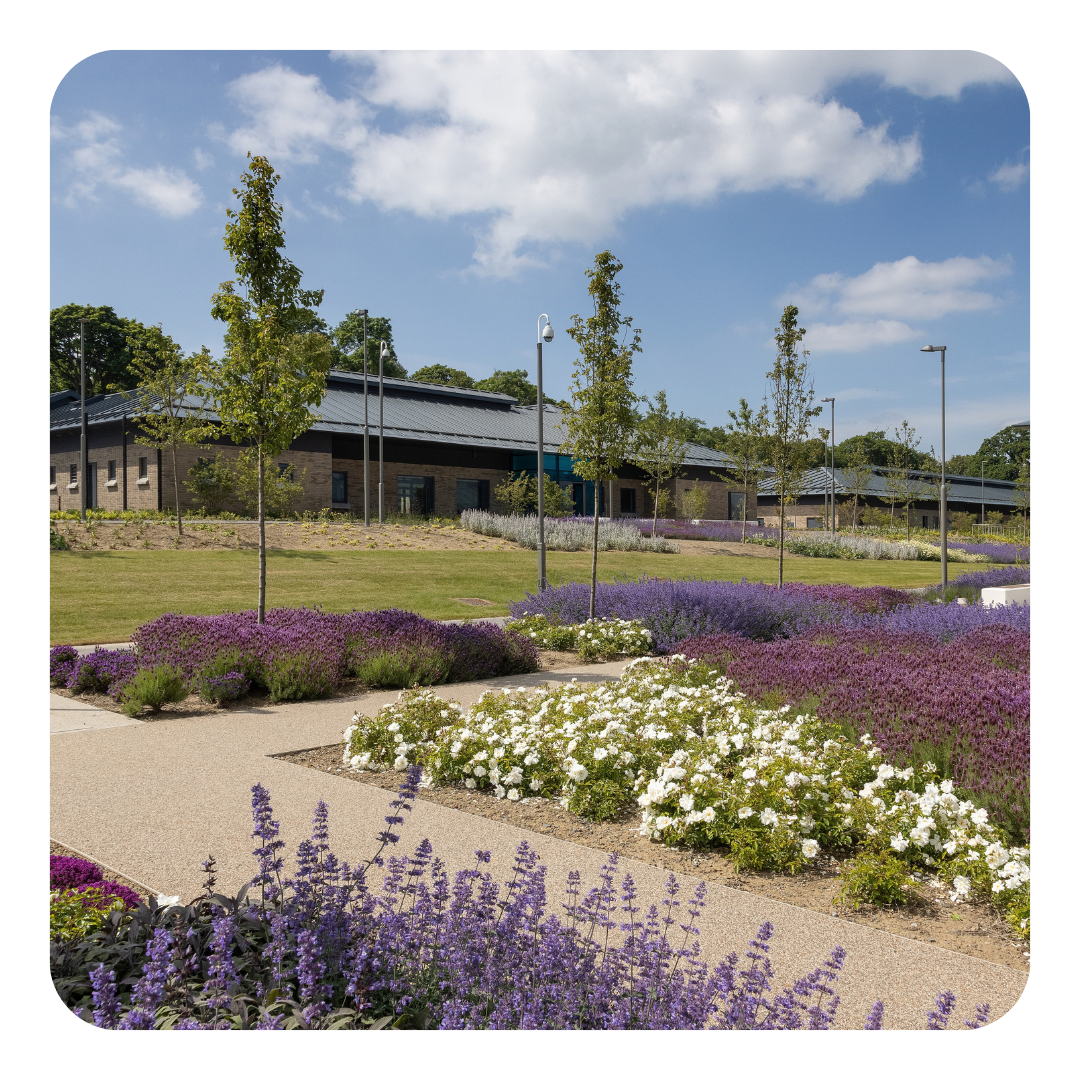
The National Forensic Mental Health Service Hospital is a public hospital and forensic mental health campus. The campus sits adjacent to several Natura 2000 protected areas.
A nature-based wetland was proposed in place of the originally specified underground attenuation tank, saving approximately €100,000 in capital costs while delivering sustainable surface water management and habitat creation.
Native planting with staggered flowering periods extends seasonal biodiversity value and forms a vegetated buffer between woodland and built areas. Meanwhile, views of planting and surrounding woodland support patient recovery.
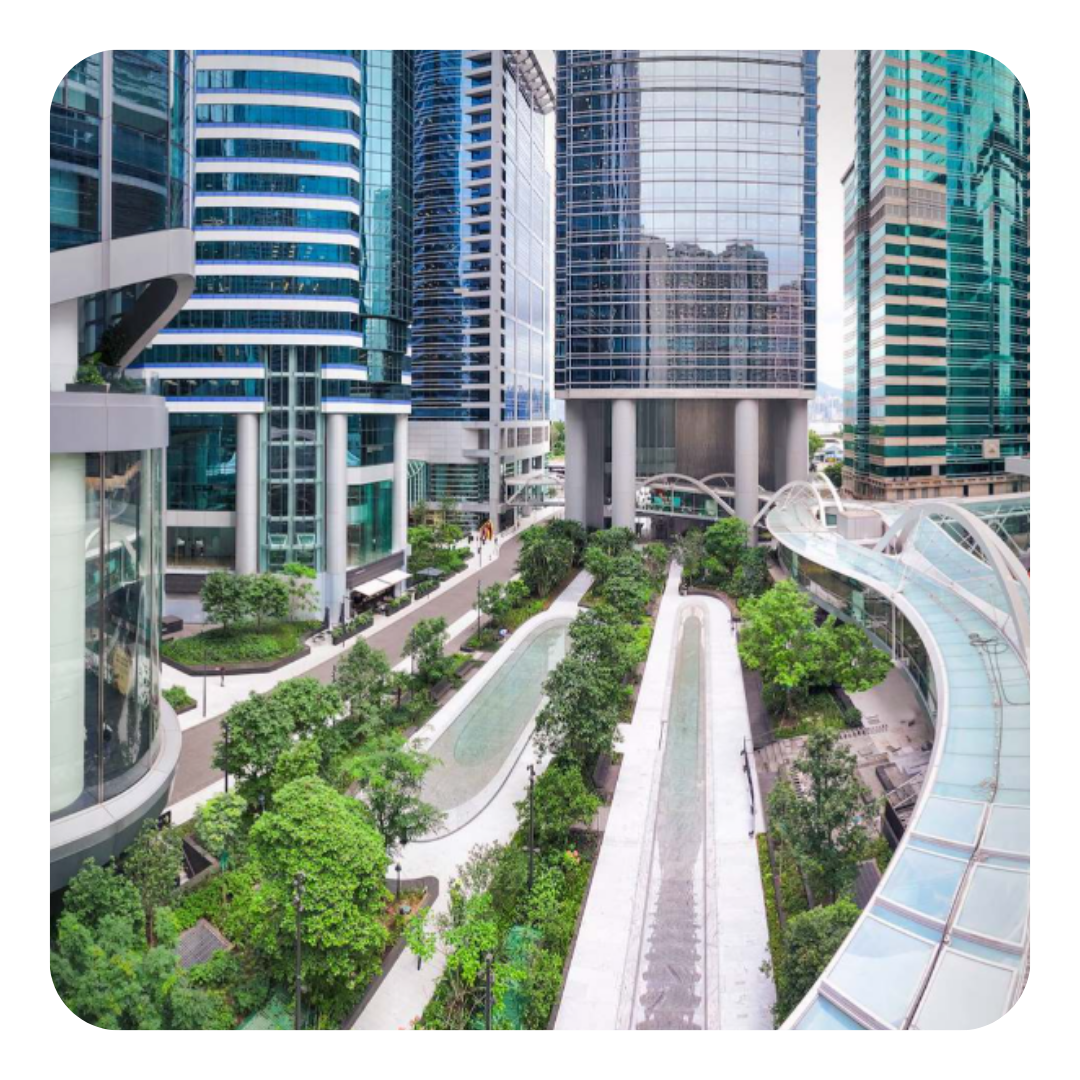
Taikoo Square and Taikoo Garden form a central part of the Taikoo Place redevelopment in Hong Kong, using nature-based solutions and biophilic design to transform a previously developed site into a connected network of green open space.
More than 260 native and exotic plant species were planted to mimic natural ecosystems and enhance ecological value for local wildlife, while embedding biodiversity, microclimate regulation and community use within a dense commercial district.
Climate modelling indicates the landscape contributes to an additional 27% of thermally comfortable outdoor areas across the district, improving the air quality and mitigating the urban heat island effect.
Parque Madureira is located in the city’s most densely populated and thermally stressed regions. More than 1,200 trees and 30,000m² of permeable surfaces contributed to a recorded reduction in local ambient temperatures of up to 5°C compared with the surrounding heat stressed area, improving outdoor thermal comfort and helping reduce cooling demand in nearby buildings.
The transformation into a high-quality public green corridor has supported regional economic revitalisation and created a safer, more attractive civic space with high daily footfall, with over 200,000 residents and 20,000–25,000 visitors recorded on weekends.
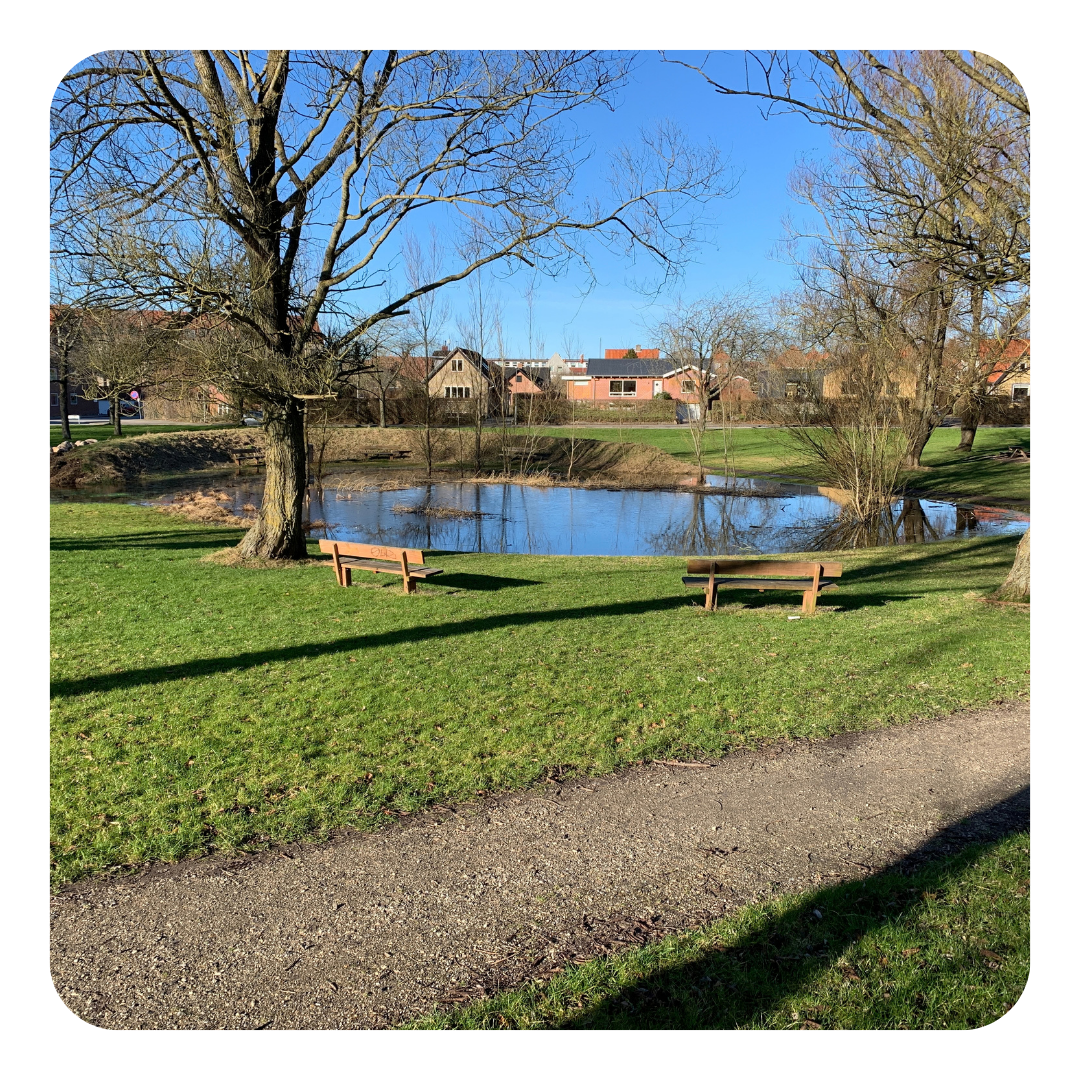
A city-project in Denmark assessed the full value of nature-based solutions, focusing on urban stormwater management. Applied at three locations within Aarhus, the project quantified and monetised the co-benefits to reveal the full value.
Modest climate adaptation investments in Vesterbro Torv led to a calculated annual socioeconomic value of at least 7 million DKK (~US$1 million) in co-benefits, with a return of approximately 1.5 DKK (~US$0.23) for every 1 DKK (~US$0.16) invested.
In Åbyhøj, green streets and an urban park deliver a calculated socioeconomic value of at least 5.3 million DKK (~US$825,000) per year, with further blue-green measures implemented since.
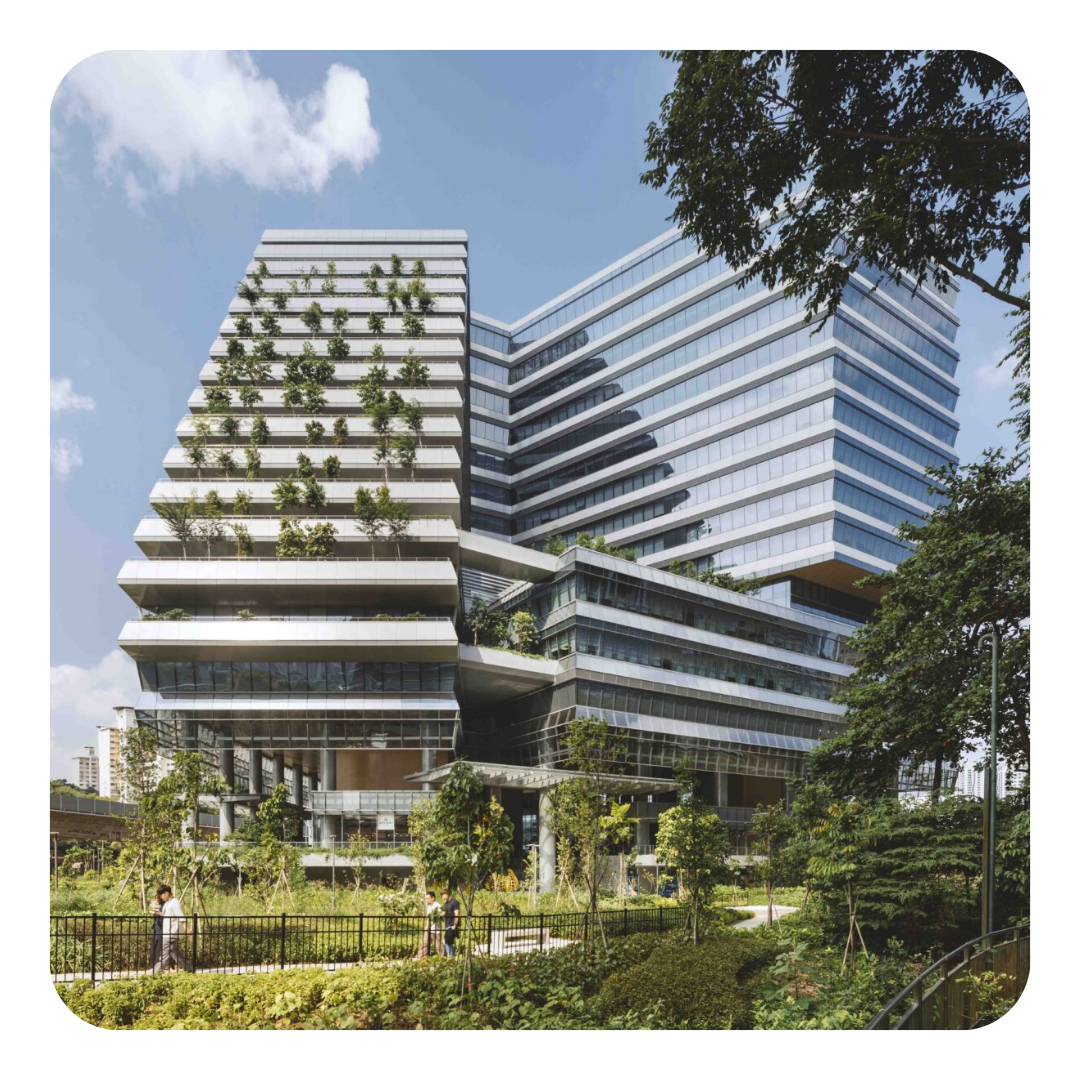
Elementum is a research and business park in Singapore that integrates architecture, landscape and public space, embedding nature across the site through green roofs, native planting and connected green corridors.
The project rebuilds the equivalent of the site area as gardens or green walls, introduces nature at multiple levels of the development and directly connects to Singapore’s Rail Corridor greenway, expanding the city’s network of interconnected natural habitats.
The green area replacement positions the site ahead of emerging regulatory and market expectations around nature and biodiversity loss and enhances workplace quality with daily access to nature.
Read the full publication to find out more about: